The Importance of Swim Lessons

The Importance of Swim Lessons
Swim lessons are essential for individuals of all ages, providing not only the skills necessary for swimming but also crucial water safety knowledge. As drowning remains a leading cause of accidental death, particularly among children, the significance of swim education cannot be overstated. This article delves into the importance of swim lessons, highlighting their role in promoting safety, enhancing physical health, and fostering community engagement. Readers will learn about essential swim safety tips, the benefits of swim lessons for families, and the various programs available, including those offered by organizations like the “YMCA”. By understanding the value of swim lessons, families can make informed decisions that prioritize safety and well-being in aquatic environments.
Importance of Swim Lessons
Swim lessons are vital for developing essential water safety skills and fostering confidence in the water. They provide structured learning environments where individuals can acquire swimming techniques and safety knowledge. Through professional instruction, participants learn how to respond to emergencies, understand water conditions, and develop the skills necessary to swim effectively. This structured approach not only enhances individual capabilities but also contributes to a culture of safety within communities.
Essential Swim Safety Tips
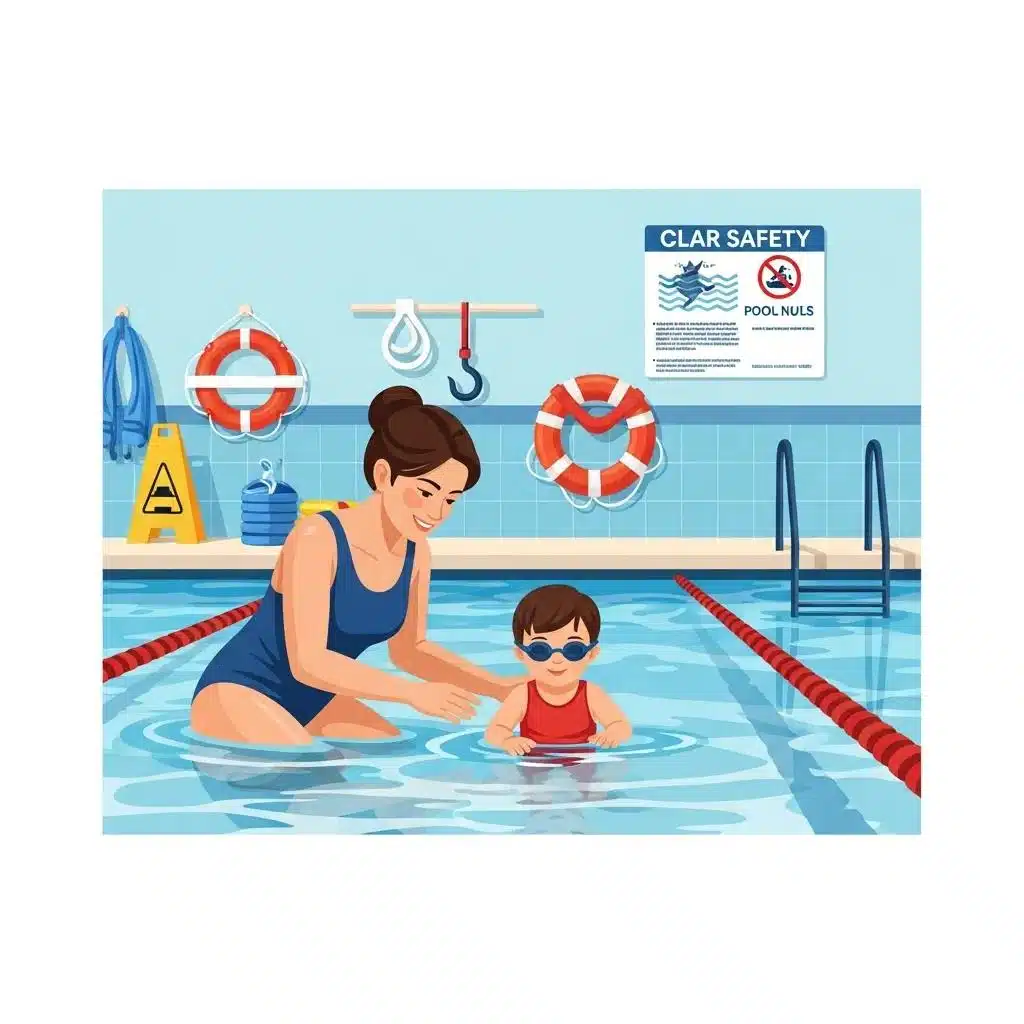
To ensure a safe swimming experience, it is crucial to follow specific safety tips. These guidelines help prevent accidents and promote responsible behavior around water.
- Supervision: Always supervise children when they are in or near water, regardless of their swimming ability.
- Know the Environment: Familiarize yourself with the swimming area, including depth, currents, and potential hazards.
- Use Life Jackets: Ensure that children and inexperienced swimmers wear life jackets when engaging in water activities.
By adhering to these safety tips, families can significantly reduce the risk of drowning and other water-related incidents.
Benefits of Swim Lessons for Families

Swim lessons offer numerous benefits that extend beyond individual skill development. They strengthen family bonds by providing shared experiences and opportunities for teamwork. Families that participate in swim lessons together often find that they encourage healthy habits and foster social interaction among members. Additionally, swim lessons can serve as a foundation for lifelong fitness, promoting an active lifestyle that benefits all family members.
Promoting Overall Water Safety Awareness
Community engagement plays a crucial role in promoting water safety awareness. Swim lessons not only equip individuals with essential skills but also encourage a collective responsibility towards safety in aquatic environments. By participating in local swim programs, families contribute to a culture of safety that extends beyond their immediate circle. This community involvement fosters lifelong skills and awareness, ensuring that water safety remains a priority for everyone.
Why Are Swim Lessons Crucial for Children’s Water Safety?
Swim lessons are particularly crucial for children’s water safety as they address the significant risks associated with drowning. Children who receive swim instruction develop essential skills that enable them to navigate water safely. These lessons build confidence, allowing children to enjoy aquatic activities while minimizing risks. Furthermore, swim lessons teach children how to react in emergencies, which can be life-saving.
How Do Swim Lessons Prevent Drowning and Promote Safety?
Swim lessons contribute to drowning prevention through a structured curriculum that emphasizes safety skills and techniques. Participants learn how to float, tread water, and swim to safety, which are critical skills in emergency situations. Statistics indicate that children who have taken swim lessons are significantly less likely to drown compared to those who have not. This evidence underscores the importance of swim education in promoting safety.
Studies consistently demonstrate the effectiveness of swim lessons in enhancing children’s aquatic abilities and reducing drowning risks.
Swim Lessons Improve Drowning Prevention & Ability in Youth
a study where children were randomly assigned to either 8 or 12 weeks of swimming lessons, This study also provides evidence that swimming lessons can improve swimming ability in children and adolescents.
Interventions associated with drowning prevention in children and adolescents: systematic literature review, BA Wallis, 2015
What Age Should Children Start Swim Lessons for Optimal Safety?
The recommended age for children to start swim lessons varies, but many experts suggest beginning as early as age 1. Early exposure to water can help children become comfortable and confident in aquatic environments. Swim lessons tailored for young children focus on water acclimation and basic safety skills, laying the groundwork for more advanced techniques as they grow older.
Research further supports the benefits of early water exposure and swim lessons for young children.
Early Swim Lessons for Child Drowning Prevention
many children older than one year will benefit from swim lessons that children who are exposed to water in the early years
Aquatic competencies and drowning prevention in children 2–4 years:
A systematic review, RC Franklin, 2020
What Are the Key Benefits of Swimming Lessons for Youth and Families?
Swimming lessons provide key benefits that enhance both individual and family experiences. These benefits include:
- Safety Skills: Participants learn essential skills that reduce the risk of drowning.
- Health Advantages: Swimming promotes physical fitness, cardiovascular health, and muscle development.
- Social Development: Group lessons foster social interaction and teamwork among participants.
These advantages highlight the multifaceted benefits of swim education for families and individuals alike.
How Do Swim Lessons Enhance Physical Health and Development?
Engaging in swim lessons significantly enhances physical health and development. Swimming is a low-impact exercise that promotes cardiovascular fitness, builds muscle strength, and improves flexibility. Regular participation in swim lessons encourages children and adults alike to adopt healthy habits, contributing to overall well-being. Additionally, swimming can be a fun and enjoyable way to stay active, making it easier for families to incorporate physical activity into their daily routines.
In What Ways Do Swim Lessons Support Community Engagement and Well-being?
Swim lessons foster community engagement by bringing families together in a shared pursuit of safety and health. Local swim programs often create a sense of belonging and connection among participants, enhancing community well-being. By investing in swim education, communities can cultivate a culture of safety and health that benefits all residents. This engagement not only improves individual skills but also strengthens community ties.
How Do Private Swim Lessons Compare to Group Programs in Rhode Island?
When considering swim education options, families often weigh the benefits of private lessons against group programs. Private swim lessons offer individualized attention, allowing instructors to tailor lessons to each student’s needs. This personalized approach can accelerate skill development and build confidence. In contrast, group programs provide social interaction and a sense of camaraderie among participants, which can enhance the learning experience. Ultimately, the choice between private and group lessons depends on individual preferences and goals.
What Are the Advantages of Private Swim Lessons Near Me?
Private swim lessons offer several advantages that cater to individual learning styles and needs. These benefits include:
- Tailored Instruction: Instructors can customize lessons to address specific skills and goals.
- Flexibility: Scheduling is often more adaptable, accommodating busy family lifestyles.
- Focused Attention: One-on-one instruction allows for immediate feedback and correction.
These advantages make private lessons an appealing option for families seeking personalized swim education.
How Do Youth Swimming Programs in Rhode Island Cater to Different Needs?
Youth swimming programs in Rhode Island are designed to cater to a variety of needs and skill levels. These programs often include structured classes that progress from beginner to advanced levels, ensuring that all participants receive appropriate instruction. Additionally, many programs offer specialized classes for children with disabilities or those requiring extra support, promoting inclusivity in swim education.
How Can Parents Effectively Teach Children to Swim and Choose Swim Instructors?
Parents play a crucial role in their children’s swim education. To effectively teach children to swim, parents should:
- Model Safety: Demonstrate safe behavior around water to instill good habits.
- Encourage Practice: Provide opportunities for children to practice their skills in safe environments.
- Choose Qualified Instructors: Look for certified instructors with experience in teaching children.
Selecting the right swim instructor is essential for ensuring a positive learning experience. Parents should consider factors such as certification, teaching style, and experience when making their choice.
What Criteria Should Be Used to Select Certified Swimming Instructors?
When selecting certified swimming instructors, parents should consider the following criteria:
- Certification and Training: Ensure the instructor holds relevant certifications from recognized organizations.
- Experience: Look for instructors with a proven track record of teaching children and adults.
- Teaching Style: Assess whether the instructor’s teaching style aligns with the child’s learning preferences.
By carefully evaluating these factors, parents can choose instructors who will provide effective and enjoyable swim education.
What Are Practical Swim Safety Tips for Kids to Practice at Home?
To reinforce swim safety skills, children can practice the following tips at home:
- Supervision: Always have an adult present when near water.
- Emergency Preparedness: Discuss what to do in case of an emergency, including how to call for help.
- Water Familiarization: Encourage children to play in shallow water to build comfort and confidence.
Practicing these safety tips at home helps children internalize important lessons and prepares them for real-life situations.
Where Can Families Find Community Swim Resources and Programs in Rhode Island?
Families seeking swim resources and programs in Rhode Island can explore various local options, including:
- YMCA: Offers a range of swim lessons and water safety programs for all ages.
- Community Pools: Many local pools provide swim classes and safety courses.
- Schools: Some schools incorporate swim education into their physical education curriculum.
These resources provide families with access to quality swim education and safety training.
How Do YMCA Swim Lessons Support Water Safety Education Locally?
The YMCA plays a pivotal role in promoting water safety education through its swim lessons. These programs are designed to teach essential swimming skills while emphasizing safety practices. The YMCA’s skill-based curriculum ensures that participants not only learn how to swim but also understand the importance of water safety. By engaging with local communities, the YMCA fosters a culture of safety and health that benefits all residents.
The YMCA’s commitment extends to providing inclusive and fitness-focused programs that benefit diverse community members.
YMCA Swimming Programs for Inclusive Fitness
Seattle YMCA branch mainly offers fitness-focused programs such as exercise classes, swimming, Weight Stigma at the YMCA The YMCA is a welcoming and inclusive place, striving to
An Intervention to Promote Physical Activity Through Creation of Body-Size Inclusive Spaces, 2018