Invest in Your Child’s Safety with YMCA Swim Lessons RI
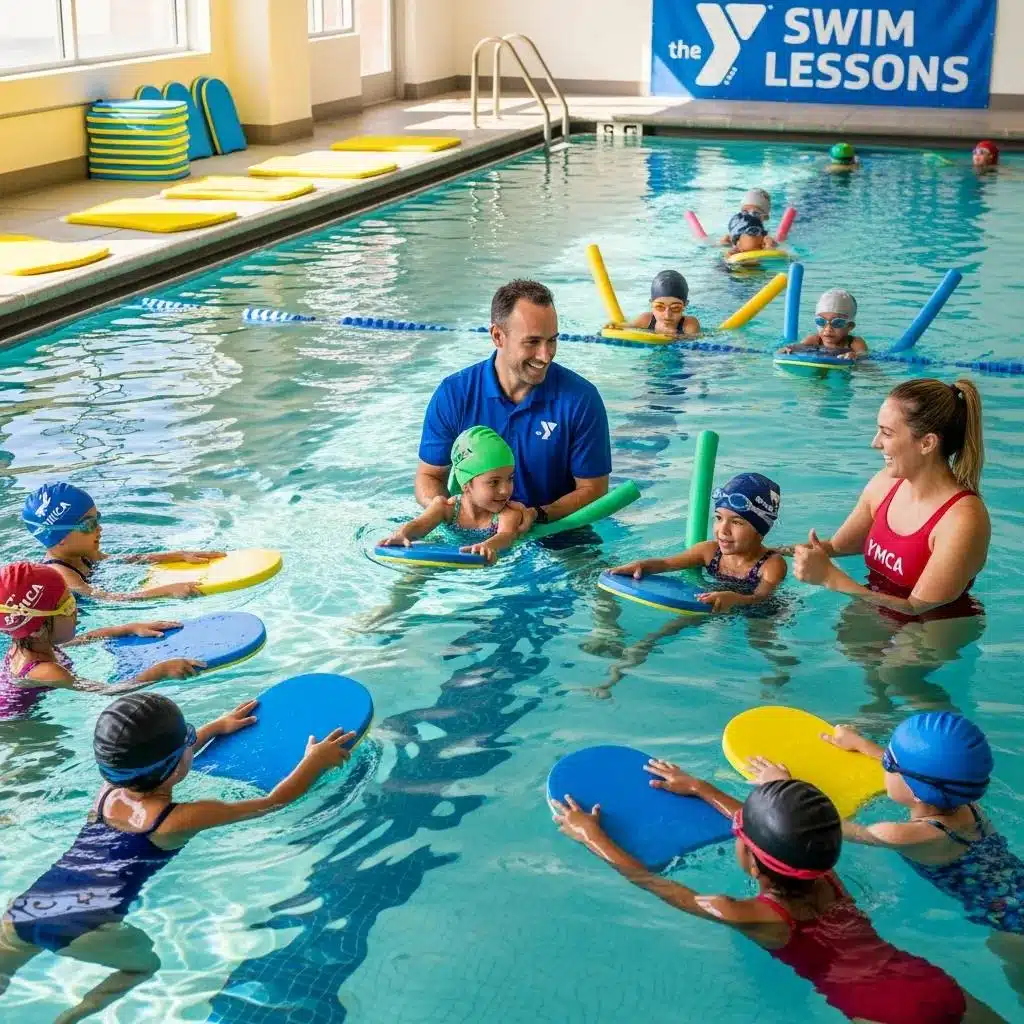
Why Should You Put Your Child In Swim Lessons? Safety at The YMCA in Rhode Island
Swim lessons are essential for children, providing not only a fun activity but also crucial safety skills that can save lives. At the YMCA in Rhode Island, swim lessons are designed to equip children with the necessary skills to navigate water safely. This article will explore the importance of swim lessons, focusing on their benefits, impact on child development, and how they enhance safety. Many parents worry about their children’s safety around water, and swim lessons offer a proactive solution to this concern. We will delve into the various aspects of swim lessons, including their benefits, the structure of programs offered by the YMCA, and how families can enroll their children.
Benefits of Swim Lessons
Swim lessons provide numerous benefits that extend beyond just learning to swim. They are instrumental in teaching water safety skills, promoting physical activity, and instilling life skills in children.
- Water Safety Skills: Children learn essential skills that help them stay safe in and around water, reducing the risk of drowning.
- Physical Activity: Swimming is a great form of exercise that promotes overall health and fitness in children.
- Life Skills: Swim lessons foster confidence, discipline, and social interaction, which are valuable throughout life.
These benefits highlight the importance of swim lessons in fostering a safe and healthy environment for children.
Overall Impact on Child Development
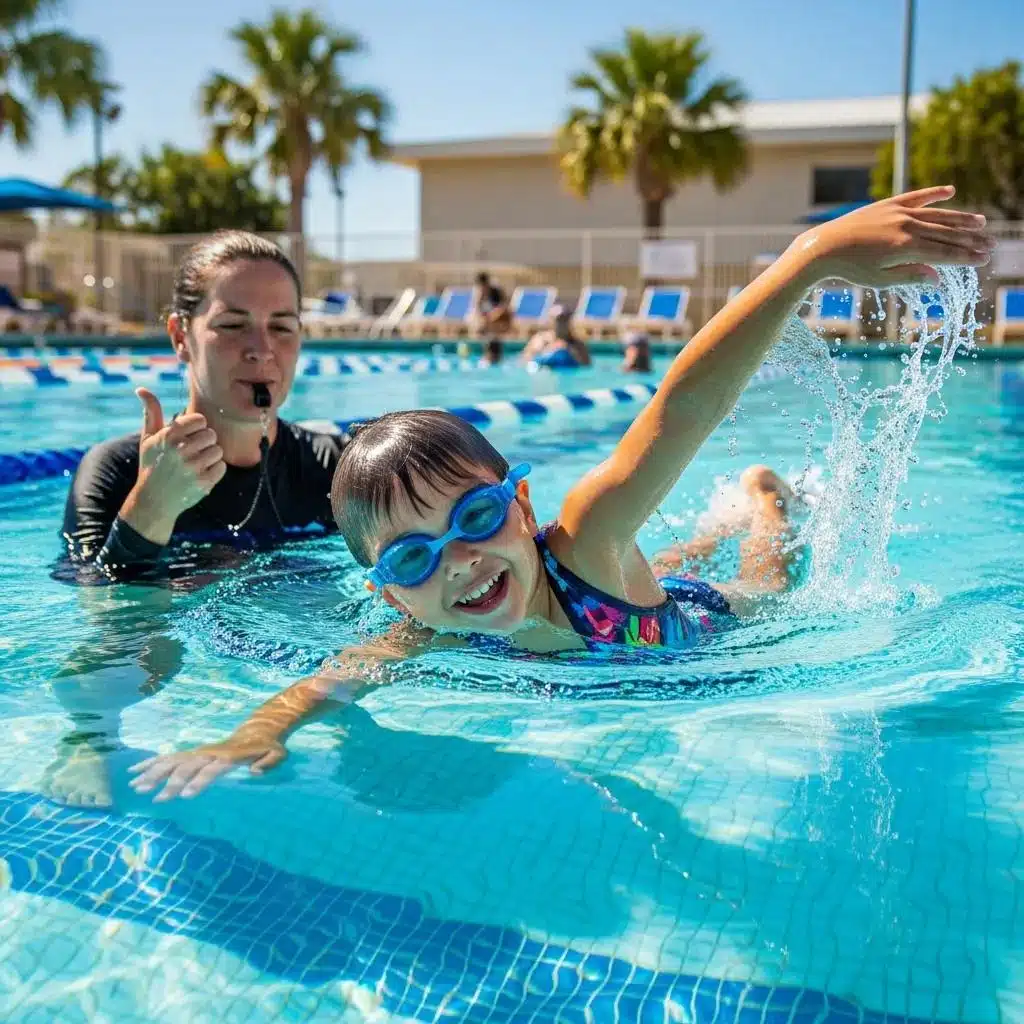
Engaging in swim lessons significantly contributes to a child’s overall development. The skills learned in the water translate into various aspects of life, enhancing both physical and emotional growth.
- Confidence Building: As children master swimming techniques, they gain confidence in their abilities, which can positively affect other areas of their lives.
- Emotional Development: Swim lessons provide a supportive environment where children can express themselves and learn to manage their emotions.
- Community Engagement: Participating in group lessons fosters a sense of belonging and community, helping children develop social skills.
The holistic development fostered by swim lessons prepares children for future challenges, both in and out of the water.
Further research supports the comprehensive developmental advantages that swimming provides to children.
Swimming Benefits: Physical, Cognitive, & Psychosocial Child Development
Swimming offers various benefits for children’s development, including physical, cognitive, and psychosocial aspects. The present study aim to known the benefits the Swimming in children for development for early aquatic. This finding supports the notion that exposure to blue spaces, such as oceans, lakes, or swimming pools, can have a positive influence on mental health outcomes in children. Incorporating aquatic activities into a comprehensive approach to child development may provide additional opportunities for promoting positive mental health outcomes.
Swimming in children: benefits for early aquatic development, 2024
How Do Swim Lessons Improve Child Safety?
Swim lessons are a vital component of child safety, teaching essential skills that can prevent drowning and other water-related accidents.
Specific Skills Learned
In swim lessons, children learn a variety of specific skills that enhance their safety in the water. These include:
- Water Acclimation: Familiarizing children with water helps reduce fear and anxiety.
- Water Movement: Techniques for moving through water safely are taught, including floating and treading water.
- Stroke Introduction: Basic strokes are introduced, allowing children to swim effectively and confidently.
These skills are foundational for ensuring that children can navigate water safely.
Statistics on Drowning Prevention
Statistics underscore the importance of swim lessons in preventing drowning. Research indicates that children who participate in swim lessons are significantly less likely to drown compared to those who do not. For instance, studies show that swim lessons can reduce the risk of drowning by over 80% in children aged 1 to 4 years. This stark statistic highlights the critical role that swim lessons play in enhancing child safety.
Role of Swim Instructors
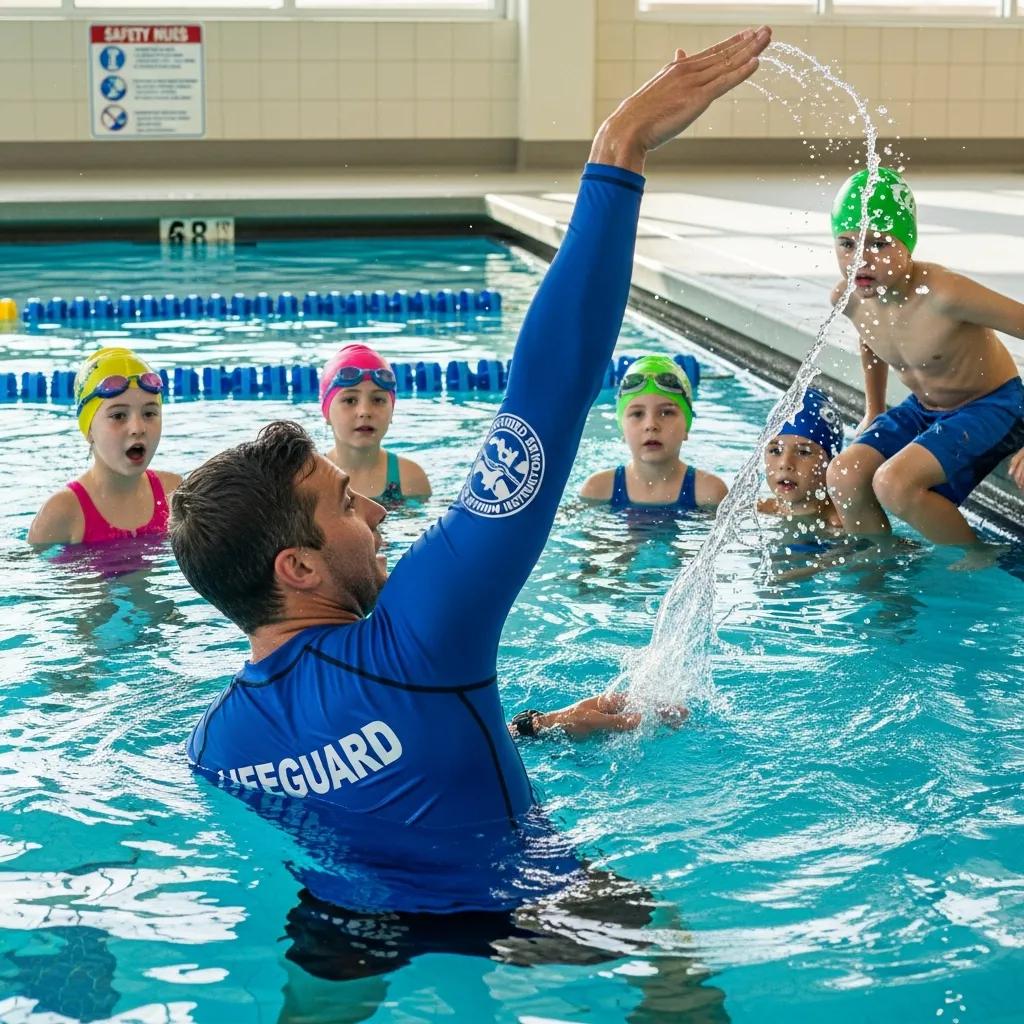
Swim instructors play a crucial role in ensuring the safety of children during lessons. They are trained to teach swimming techniques while also implementing safety protocols.
- Instructor Training: Instructors undergo rigorous training to ensure they can effectively teach children and respond to emergencies.
- Safety Protocols: Established safety measures are in place during lessons, including maintaining a safe instructor-to-student ratio and conducting regular safety drills.
The expertise of swim instructors is essential in creating a safe learning environment for children.
What Are the Key Benefits of Swim Lessons for Kids?
Swim lessons offer several key benefits that contribute to a child’s development and safety. These include:
- Water Safety Skills: Essential for preventing drowning and ensuring safe interactions with water.
- Confidence Building: Mastering swimming techniques boosts self-esteem and confidence.
- Lifelong Skills: Skills learned in swim lessons can be beneficial throughout life, promoting a healthy lifestyle.
These benefits make swim lessons a valuable investment in a child’s future.
What Swim Lesson Programs Does the YMCA Offer in Rhode Island?
The YMCA in Rhode Island offers a variety of swim lesson programs tailored to different age groups and skill levels.
Age Groups and Lesson Types:
The YMCA provides swim lessons for various age groups, ensuring that each child receives appropriate instruction based on their developmental stage. The lesson types include:
- Water Acclimation: For toddlers, focusing on comfort in the water.
- Beginner Lessons: For young children learning basic swimming skills.
- Advanced Lessons: For older children looking to refine their techniques.
This structured approach ensures that all children can benefit from swim lessons, regardless of their starting point.
Schedules:
Swim lessons at the YMCA are offered at various times throughout the week, accommodating different schedules. Parents can easily find a time that works for their family, making it convenient to incorporate swim lessons into their routine.
Enrollment Procedures:
Enrolling children in swim lessons at the YMCA is a straightforward process. Parents can register online or in person, ensuring a smooth transition into the program. Age requirements and lesson types are clearly outlined, making it easy for families to choose the right program for their child.
How Are YMCA Youth and Private Swim Lessons Structured?
The YMCA offers both youth and private swim lessons, each structured to meet the needs of different learners.
Lesson Formats
Swim lessons are available in both group and private formats. Group lessons provide a social environment, while private lessons offer personalized instruction tailored to individual needs.
Age Groups
The YMCA caters to a wide range of age groups, from toddlers to teens, ensuring that all children can participate in swim lessons that suit their developmental stage.
Skill Levels
Lessons are designed to accommodate various skill levels, from beginners to advanced swimmers. This ensures that each child can progress at their own pace, building confidence and competence in the water.
Instructor Qualifications
YMCA swim instructors are highly qualified, with certifications in CPR, first aid, and swim instruction. Their training ensures that they can provide a safe and effective learning environment for all students.
What Is the Swim Lesson Progression at the YMCA?
The swim lesson progression at the YMCA is designed to help children advance their skills systematically. Each level builds on the previous one, ensuring a comprehensive learning experience.
Children start with basic water safety and gradually progress to more advanced techniques, including competitive strokes and endurance training. This structured progression helps children develop confidence and competence in their swimming abilities.
How Do Private Swim Lessons Compare to Group Lessons for Children?
Private swim lessons offer a different experience compared to group lessons.
- Benefits of Private Lessons: These lessons provide personalized attention, allowing instructors to tailor their teaching methods to the individual child’s needs.
- Benefits of Group Lessons: Group lessons foster social interaction and teamwork, which can enhance the learning experience.
Both formats have their advantages, and the choice between them depends on the child’s learning style and preferences.
What Are the Advantages of Private Swim Lessons?
Private swim lessons come with several advantages that can enhance a child’s learning experience:
- Personalized Instruction: Instructors can focus on the child’s specific needs and learning pace.
- Flexible Scheduling: Private lessons can often be scheduled at times that are convenient for the family.
- Intensive Skill Development: With one-on-one attention, children can progress more quickly in their swimming skills.
These advantages make private lessons an appealing option for many families.
When Should Families Choose Group Swim Lessons?
Group swim lessons are ideal for families looking for a social and interactive learning environment. They are particularly beneficial for children who thrive in group settings and enjoy making new friends.
- Social Interaction: Group lessons encourage children to interact with peers, fostering teamwork and communication skills.
- Cost-Effective: Group lessons are often more affordable than private lessons, making them accessible to a wider range of families.
Choosing group lessons can provide children with valuable social experiences while learning essential swimming skills.
What Qualifications and Safety Protocols Do YMCA Swim Instructors Follow?
YMCA swim instructors are required to meet specific qualifications to ensure the safety and effectiveness of their lessons.
- Instructor Qualifications: All instructors must be certified in CPR and first aid, as well as complete training in swim instruction.
- Safety Protocols: The YMCA implements strict safety protocols during lessons, including maintaining appropriate instructor-to-student ratios and conducting regular safety drills.
These measures ensure that children receive high-quality instruction in a safe environment.
What Safety Measures Are Implemented During Swim Lessons?
Safety is a top priority during swim lessons at the YMCA. Several measures are in place to protect children while they learn:
- Emergency Procedures: Instructors are trained to respond quickly to emergencies, ensuring the safety of all participants.
- Child Safety Protocols: Regular safety drills are conducted to prepare both instructors and students for potential emergencies.
These safety measures create a secure learning environment for children.
How Can Families Enroll Their Children in YMCA Swim Lessons in Rhode Island?
Enrolling children in swim lessons at the YMCA is a simple process. Families can register online or visit their local YMCA branch to sign up.
- Registration Process: The registration process is straightforward, with clear instructions provided on the YMCA website.
- Age Requirements: Information about age requirements and lesson types is readily available, making it easy for families to choose the right program.
This accessibility ensures that all families can take advantage of the valuable swim lessons offered by the YMCA.
Where Are YMCA Swim Lesson Locations and Schedules?
YMCA swim lessons are offered at various locations throughout Rhode Island, making it convenient for families to find a nearby facility.
- Locations of YMCA Branches: Families can easily locate their nearest YMCA branch through the organization’s website.
- Lesson Schedules: Detailed schedules for swim lessons are provided, allowing families to choose times that fit their busy lives.
This flexibility makes it easier for families to incorporate swim lessons into their routines.
What Should Parents Expect During Swim Lesson Enrollment?
During the enrollment process, parents can expect clear communication and support from YMCA staff.
- Enrollment Expectations: Parents will receive information about what to expect during lessons, including safety protocols and lesson structures.
- Communication with Instructors: Open lines of communication with instructors ensure that parents can stay informed about their child’s progress.
This supportive environment helps families feel confident in their decision to enroll their children in swim lessons.
What Additional Water Safety Tips Should Families Know?
In addition to swim lessons, families should be aware of other water safety tips to keep their children safe.
- Supervision: Always supervise children when they are in or near water.
- Establish Safety Rules: Set clear rules about water safety and ensure children understand them.
- Learn CPR: Parents should consider learning CPR to be prepared for emergencies.
These tips complement the skills learned in swim lessons, further enhancing child safety.
How Can Parents Promote Aquatic Safety at Home and in the Community?
Parents play a crucial role in promoting aquatic safety both at home and in the community.
- Open Communication: Discuss water safety regularly with children to reinforce its importance.
- Establishing Safety Rules: Create and enforce safety rules for water activities at home and in community settings.
- Community Engagement: Participate in local water safety programs to raise awareness and promote safe practices.
By taking these steps, parents can help create a culture of safety around water activities.
What Are Recent Statistics on Child Drowning Prevention in Rhode Island?
Recent statistics highlight the importance of swim lessons in preventing drowning among children in Rhode Island.
- Drowning Statistics: According to local health reports, drowning remains a leading cause of accidental death for children under 5 years old.
- Impact of Swim Lessons: Research indicates that children who participate in swim lessons are significantly less likely to drown, emphasizing the need for widespread access to these programs.
These statistics reinforce the critical role that swim lessons play in enhancing child safety in aquatic environments.